
Verify Your Bluehost Domain
Step 1: Log In to Your Bluehost Account
- Go to Bluehost.com.
- Enter your login credentials to access your Bluehost Account Manager.
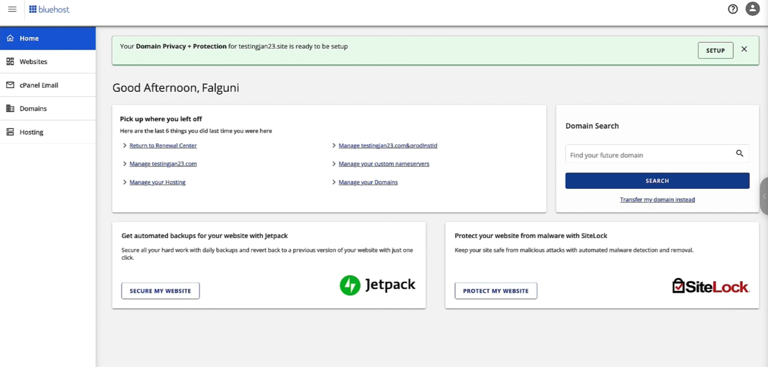
Step 2: Access Domain Settings
- In your Bluehost account dashboard, click on Website.
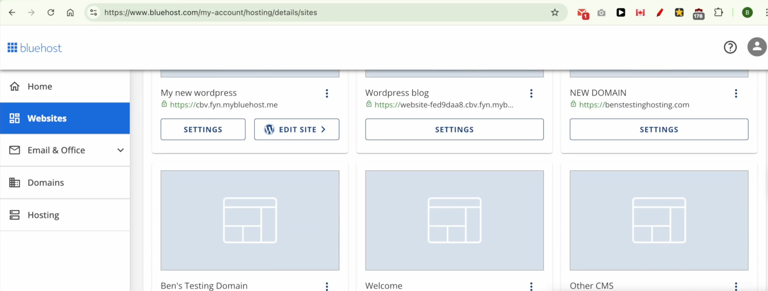
- Next to the domain you want to update, click the Settings button.
- From the menu, select Domains.
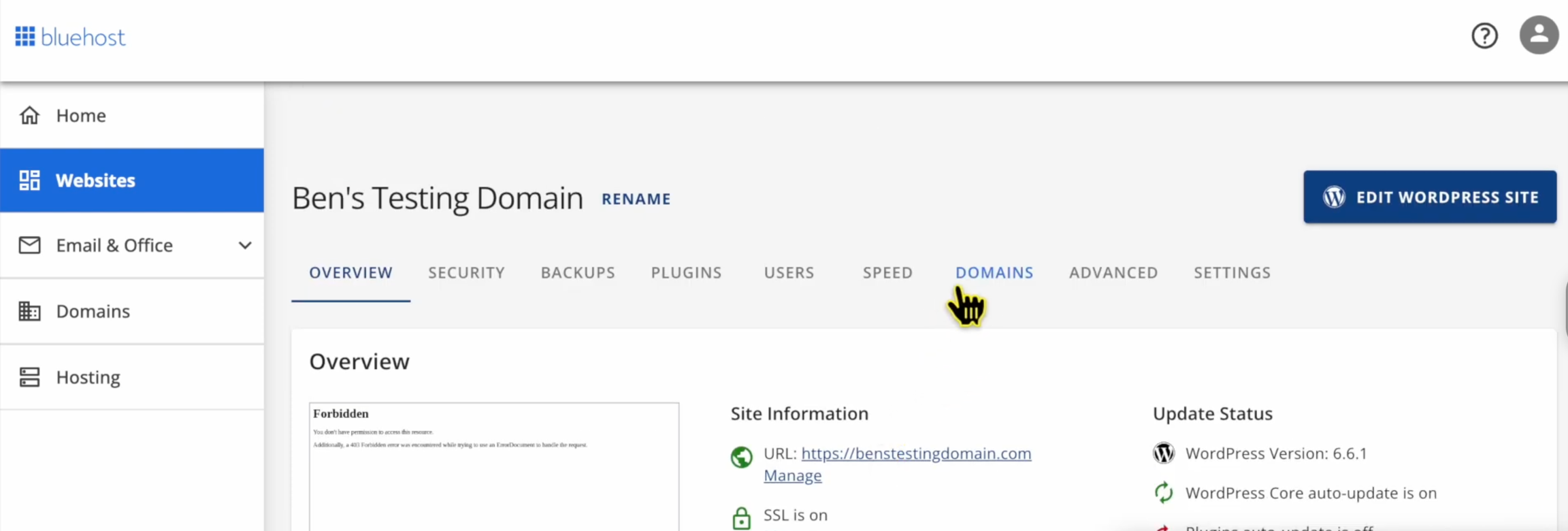
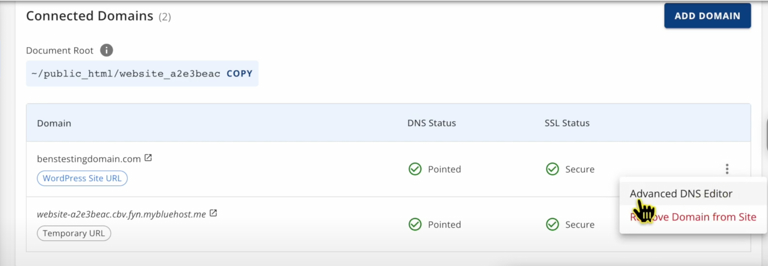
Step 3: Open Advanced DNS Editor
- Once the Domains section opens, find the domain you want to configure.
- Click on the three dots next to your domain name and select Advanced DNS Editor.
Step 4: Access CPanel
- You will now be redirected to CPanel where you can manage your DNS records.
- Inside CPanel, locate the option to Add Record.
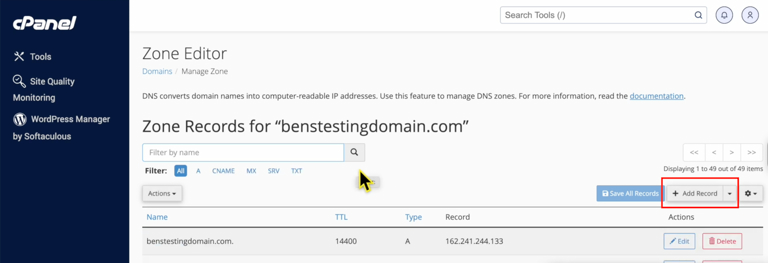
Step 5: Add SPF, DKIM, and DMARC Records
SPF Record (Sender Policy Framework):
SPF helps verify that the email is sent from an authorized server. To add this record, click on Add New Record.
- Enter the SPF record provided by Uppush. It should look like:
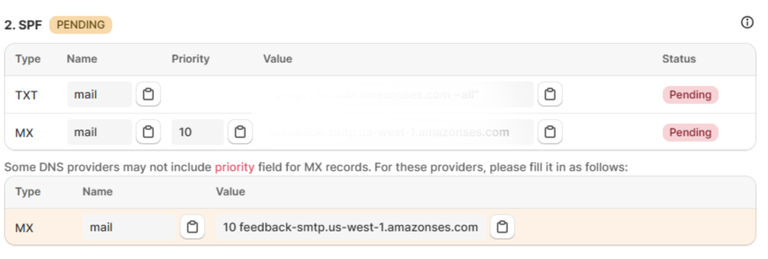
- Set TTL to 1 hour or leave it as default.
- Click Save Changes.
DKIM Record (DomainKeys Identified Mail):
DKIM helps verify the authenticity of your emails by ensuring they haven’t been tampered with during transit. To add this record:
- Enter the DKIM record provided by Uppush. It should looks like this:
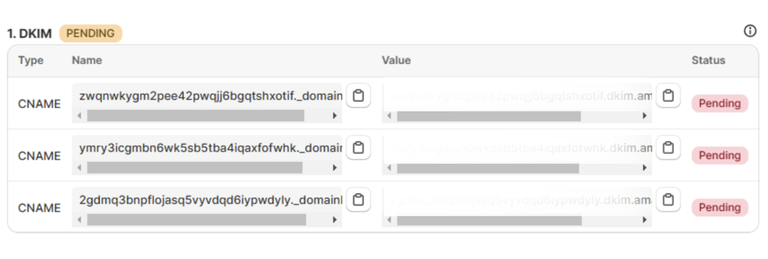
- Set TTL to 1 hour or leave it as default.
- Click Save Changes.
DMARC Record (Domain-based Message Authentication, Reporting & Conformance):
DMARC helps to define how email receivers should handle emails that fail SPF or DKIM checks. To add this record:
- Paste the DMARC record provided by Uppush (for example):

- Set TTL to 1 hour or leave it as default.
- Click Save Changes.
Step 6: Verify DNS Records in Uppush
- After adding the SPF, DKIM, and DMARC records in Bluehost, go back to the Uppush app.
- Navigate to the Verify Domain section in Uppush.
- Click on the Check DNS button to verify if the DNS records have been added successfully.
- It may take a few minutes for the DNS records to propagate, but if everything is configured correctly, the status will show as Verified.